
Hereditary Succession Under Scrutiny
Common SenseThis flow follows Paine’s case that hereditary succession is unjust to both present citizens and future generations.
increasing Bearing strength in each event
 decreasing
Bearing strength in each eventdecreasingBirthright Questioned

Birthright Questioned
Equality Across Generations
Paine argues that no person’s birth gives a family permanent priority over everyone else. A ruler may not transfer authority over descendants who never consented.
An Insult to Posterity
A political choice made by one generation cannot justly bind all generations to come. Hereditary claims turn temporary honor into an inherited political entitlement.
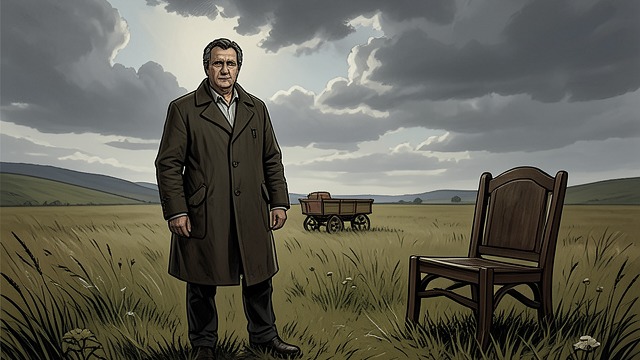
The Accident of Birth
The Accident of Birth
Merit Cannot Be Inherited
Even if a ruler deserves respect, Paine argues, that does not establish the worthiness of descendants. Inherited office opens a path to foolish or unfit rulers.
No Reliable Guarantee
Succession by family line supplies no dependable test of ability. Paine treats the mismatch between inheritance and competence as a source of political danger.
Origins of Kingship

Origins of Kingship
Power Before Legitimacy
Paine speculates that early kings may have begun as successful leaders of violent bands. In this account, authority grows through force and extraction, not a freely granted permanent right.
Convenience Becomes Claim
A temporary succession arrangement might once have seemed practical during instability. Over time, Paine argues, convenience could be disguised as a sacred inheritance.
The English Precedent

The English Precedent
Conquest as Origin
Paine points to William the Conqueror’s armed arrival as a discrediting origin for English royal authority. Conquest, he argues, cannot provide a noble title to rule.
A Contested Line
English monarchy’s history offers no simple proof of rightful inheritance. Paine uses that past to expose how political power can survive despite its compromised beginnings.
Succession and Civil War
Succession and Civil War
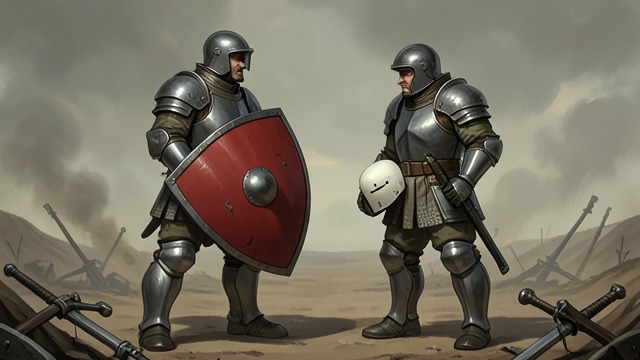
Rival Claims
Paine recounts the contest between the houses of York and Lancaster, in which competing dynastic claims brought repeated battles and reversals.
A Failed Promise
Rather than preventing conflict, hereditary succession helped provoke it. Paine concludes that monarchy and succession have repeatedly brought instability, bloodshed, and public suffering.
At the opening of the succession argument
As Paine considers possible heirs
During Paine’s speculation about the first kings
During the historical review of English monarchy
In the final historical case against hereditary rule
